Critical authentication-bypass in Service Finder Bookings being actively exploited — what site owners must do now

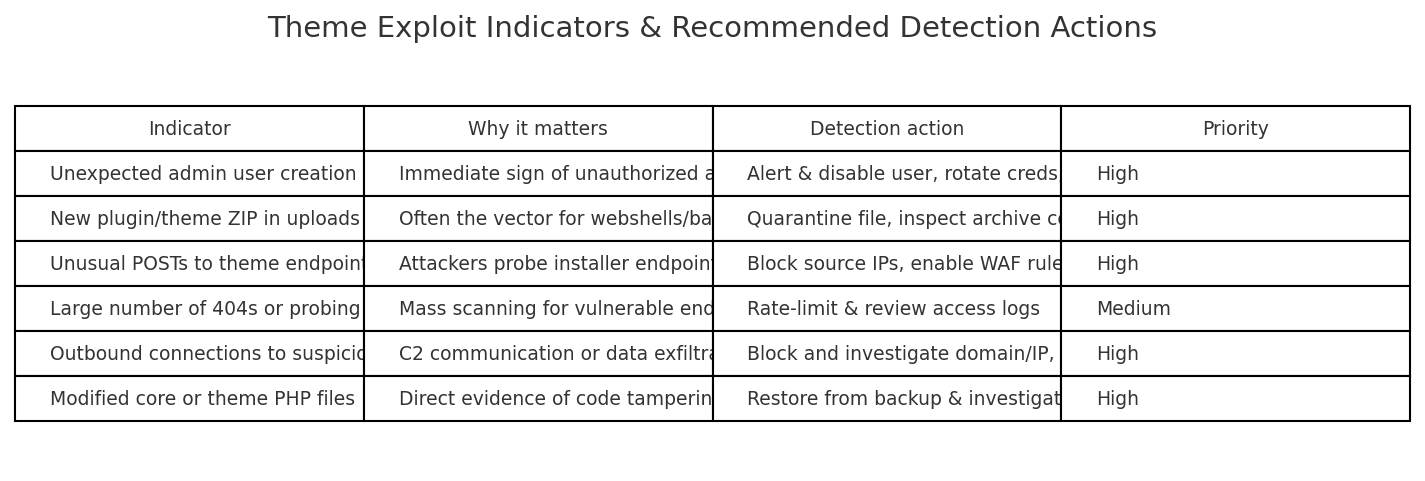
A critical authentication-bypass vulnerability in the Service Finder “Bookings” plugin/theme (affecting versions up to 6.0) allows unauthenticated attackers to take over accounts — including administrator accounts — on vulnerable WordPress sites. Multiple security researchers and vendors have confirmed active exploitation in the wild. If your site uses the Service Finder theme or bundled Bookings plugin, update to the fixed release immediately (or remove the plugin) and follow the emergency checklist below.

Read More
Five Lessons from Major Retail Security Breaches — A Practical Guide

Recent high-profile retail security incidents — affecting household names in the UK retail sector — reveal the same recurring root causes: fragile third-party integrations, slow patching and dependency management, excessive access rights, unpracticed incident response, and inconsistent customer communications. These failures are not unique to retail: they show how modern web apps and services can be compromised when processes and defensive hygiene lag behind scale. The practical steps below convert those lessons into a prioritized action plan you can implement this week.

Read More

DeepMind’s CodeMender — an approachable explainer, analysis and what to expect

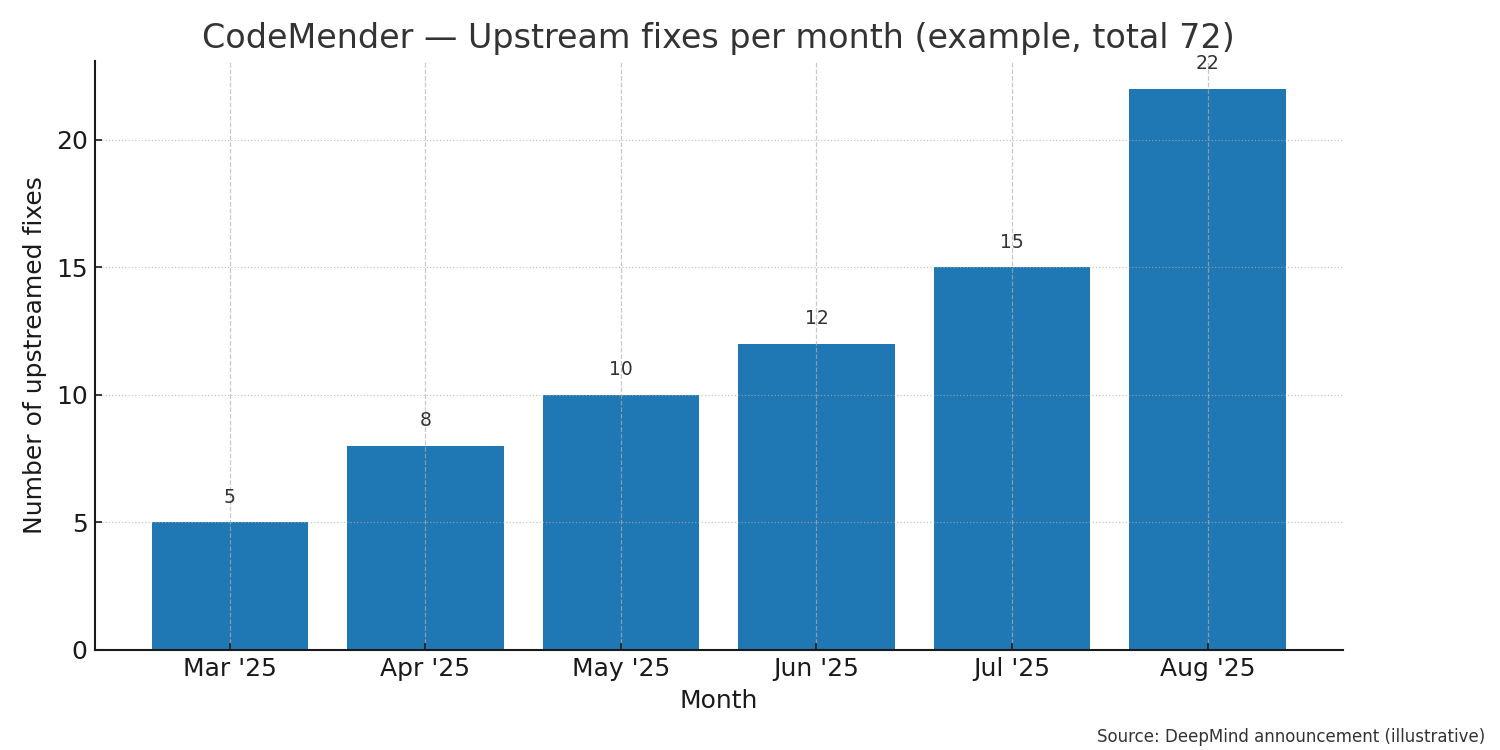
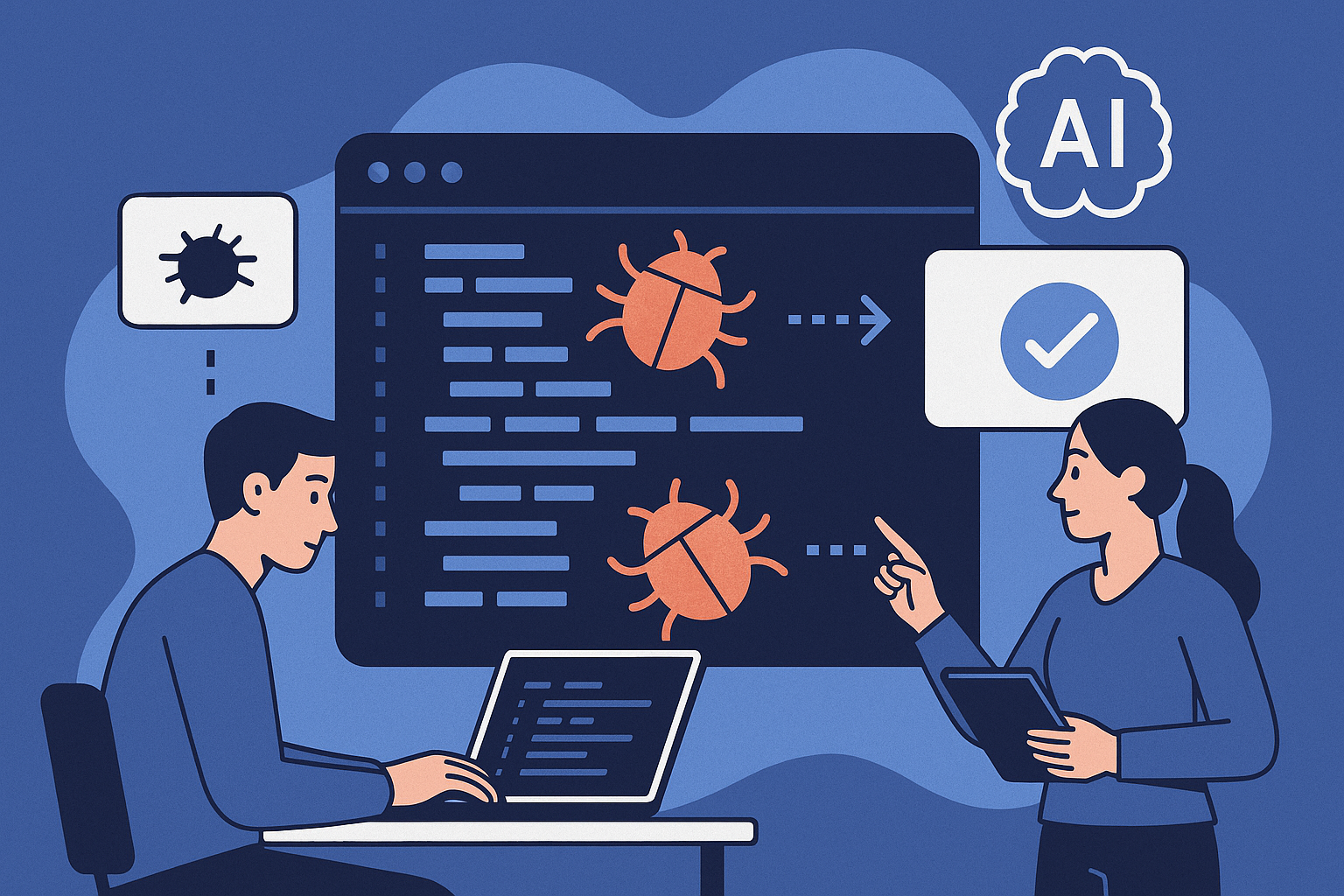
DeepMind announced CodeMender — an AI-driven system that detects software vulnerabilities and proposes verified fixes. It combines large language models with classical program analysis (fuzzing, static analysis) and a validation pipeline that runs tests and generates candidate patches. DeepMind says CodeMender upstreamed 72 fixes in early trials — a concrete sign the approach can scale.

Read More
CodeMender

CodeMender and web security — How an AI Patching Agent Changes the Game (in-depth guide)

CodeMender is a new generation of automated code-repair systems that use advanced language models together with traditional program analysis tools to find, propose, and validate security fixes at scale. For web applications, the approach can dramatically shorten the gap between discovery and remediation for many classes of vulnerabilities — but only when paired with strong validation, clear governance, and human review. This article explains what such an agentic patching system does, how it works, where it helps most in web security, how to pilot it safely, and the practical controls you must put in place.

Read More

Magento (Adobe Commerce / Magento Open Source) — 2025 vulnerability roundup

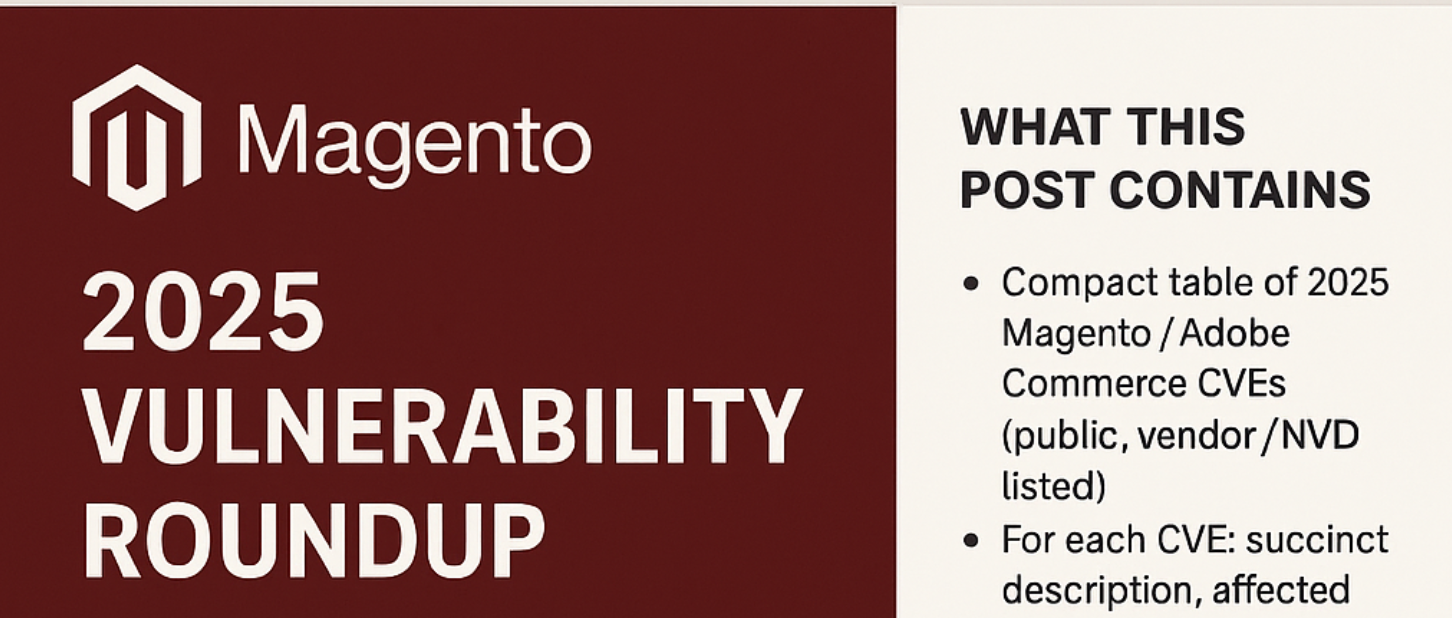
In 2025 several high-impact vulnerabilities affecting Adobe Commerce and Magento Open Source were publicly disclosed and patched. The most critical is the so-called SessionReaper (CVE-2025-54236) — an improper input validation flaw in the Web API that can lead to session takeover and, in specific conditions, unauthenticated remote code execution. Adobe released an out-of-band hotfix and urged immediate application. Other important 2025 CVEs include a set of access-control and authorization bugs (several CVE entries), and multiple XSS/authorization issues fixed across release updates. Apply vendor patches immediately and follow the detection checklist below.

Read More

WordPress Security in 2025 — Key Risks, Real-World Incidents and Practical Fixes

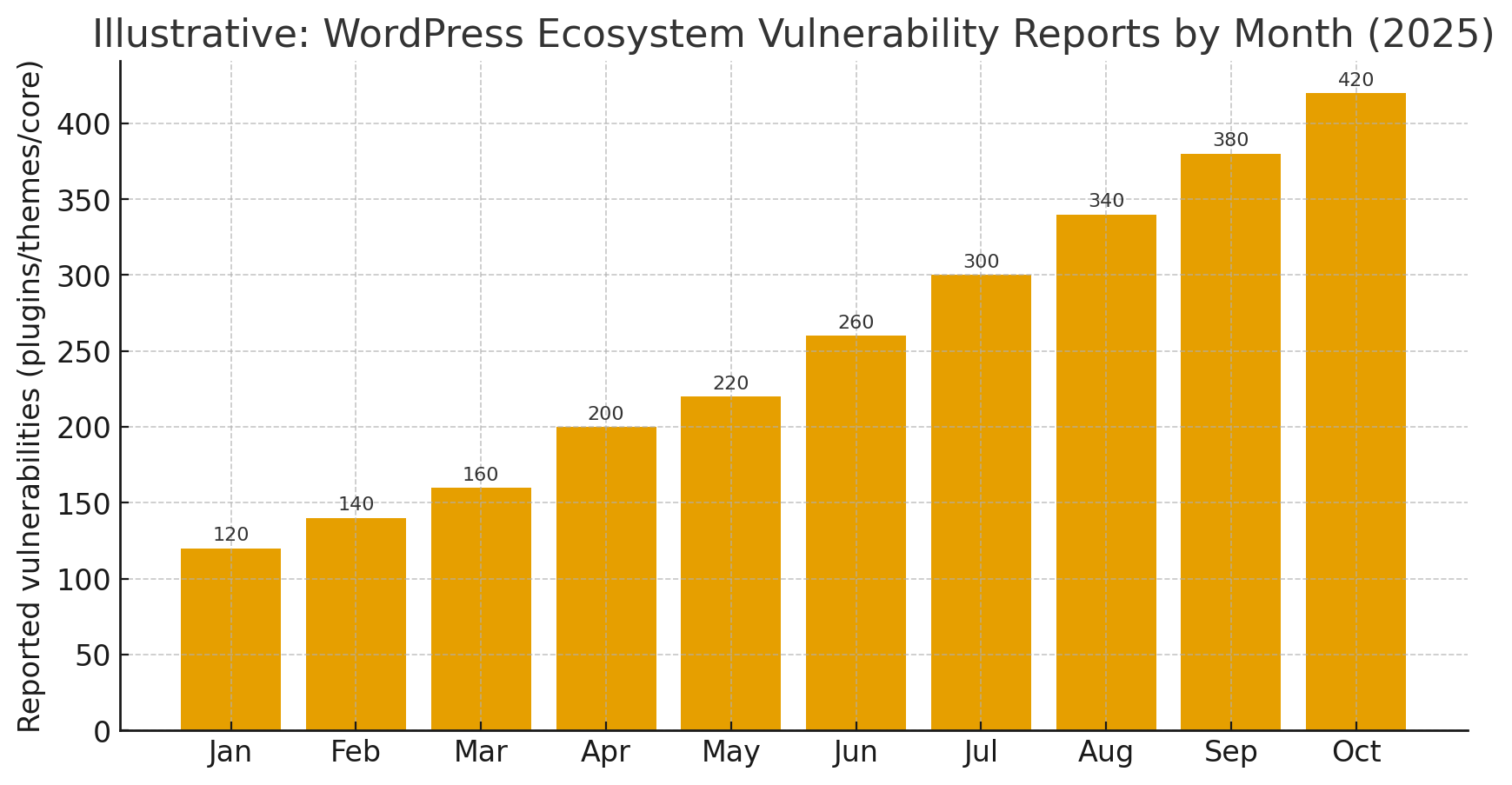
In 2025 the WordPress ecosystem continued to produce a large number of security disclosures, with third-party plugins and themes remaining the dominant source of high-impact vulnerabilities. Attackers quickly weaponized several unauthenticated remote code execution, arbitrary file upload and broken-access-control flaws, and exploit campaigns often began within days of disclosure. Industry mitigations such as virtual patching (WAF rules) and vendor “rapid mitigate” systems played a major role in reducing live exploitation while site owners applied official patches. If you manage WordPress sites, the priority remains the same: maintain an accurate inventory; patch high-risk components immediately; remove unused extensions; and combine short-term virtual patches with longer-term hardening and monitoring.

Read More

How Neural Networks Improve Real-Time Web-Attack Detection

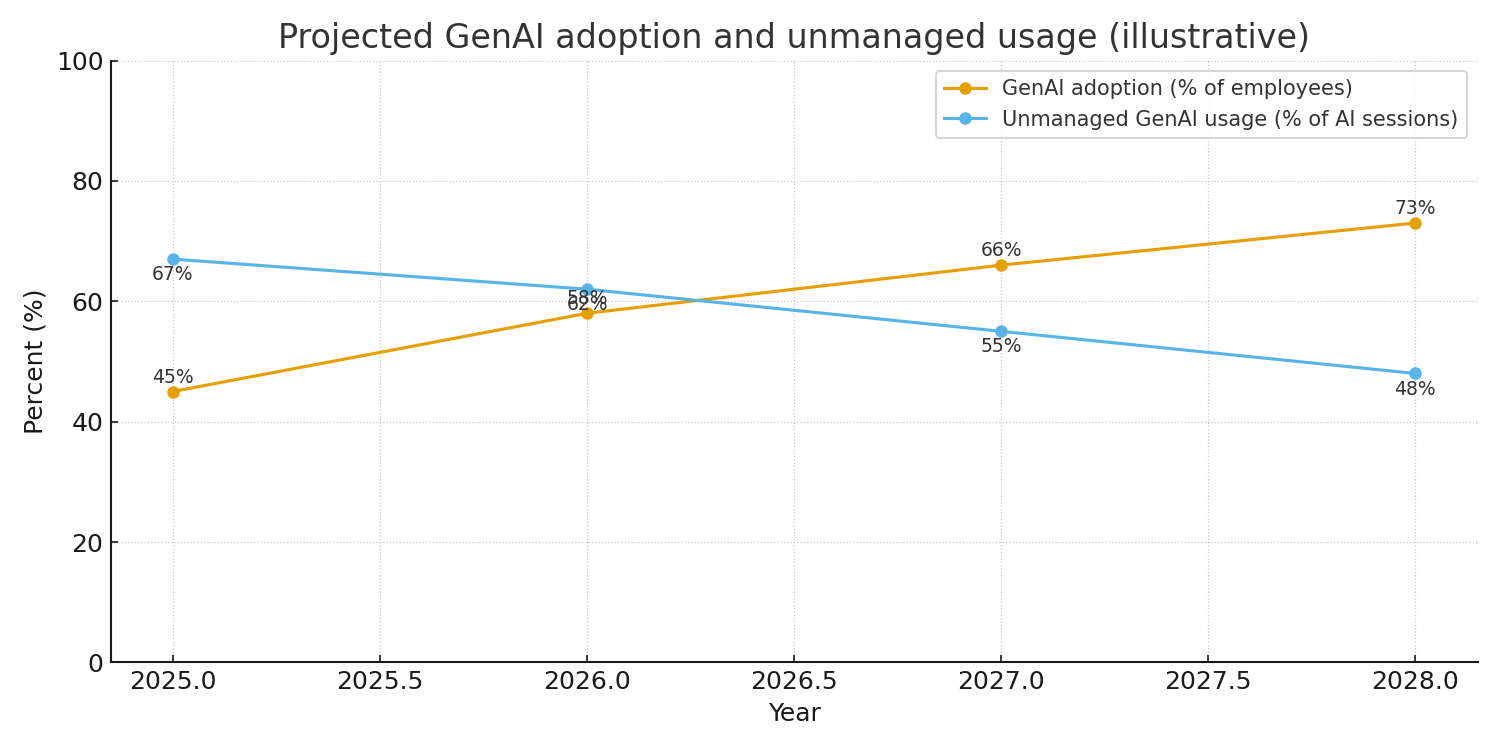
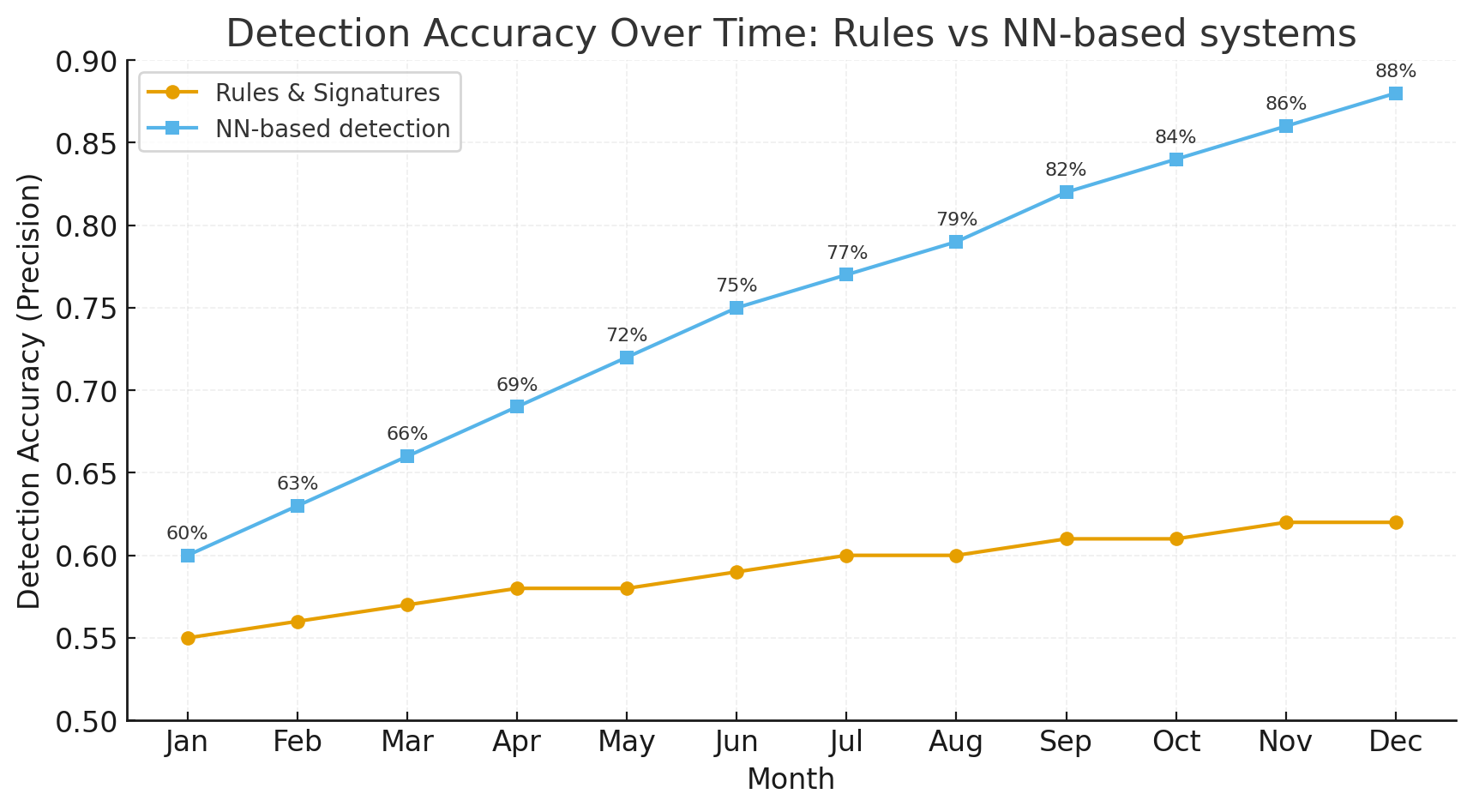
Web attacks remain the most common initial vector in modern incidents. Classic signature and rule-based defenses are necessary, but insufficient: they miss novel patterns, produce high noise, and struggle with complex, multi-step attacks. Neural networks — from autoencoders to graph neural networks and Transformers — bring a contextual, pattern-oriented layer that detects subtle anomalies across time, entities and relationships. When deployed thoughtfully (hybridized with rules, instrumented for explainability, and operated with retraining and feedback loops), NN-driven systems can significantly reduce mean time to detect (MTTD), lower analyst load, and cut false positives.

Read More

Top 10 Website Security Threats in 2025 and How to Protect Against Them

Website security is more crucial than ever in 2025. As technology continues to evolve, so too do the tactics used by cybercriminals. Websites are often the first line of defense for organizations, housing sensitive user data and business-critical information. Yet, they are also prime targets for hackers who exploit vulnerabilities to steal data, inject malware, or disrupt operations. Understanding the latest website security threats and how to protect against them is vital for maintaining a secure online presence.

In this article, we will explore the top 10 website security threats in 2025, supported by statistics and real-world examples, and provide actionable advice on how to protect your website from these dangers.

Read More

Which CMS Is the Most Secure? A Comprehensive Analysis of WordPress, Drupal, and Joomla (Updated)

As more businesses, organizations, and individuals create websites to enhance their online presence, the importance of website security has never been more critical. Content Management Systems (CMS) are the backbone of most websites today, providing a user-friendly platform for managing and publishing content. However, with the rise of cybercrime and increasingly sophisticated attacks, it’s essential to choose a CMS that offers the highest level of security. In this article, we will examine the security features, vulnerabilities, and best practices of three of the most popular CMS platforms—WordPress, Drupal, and Joomla—based on the most recent data and security statistics.

Read More