A sophisticated threat group is exploiting blockchain smart contracts to create nearly undetectable malware distribution systems, compromising thousands of WordPress websites in the process.
Read More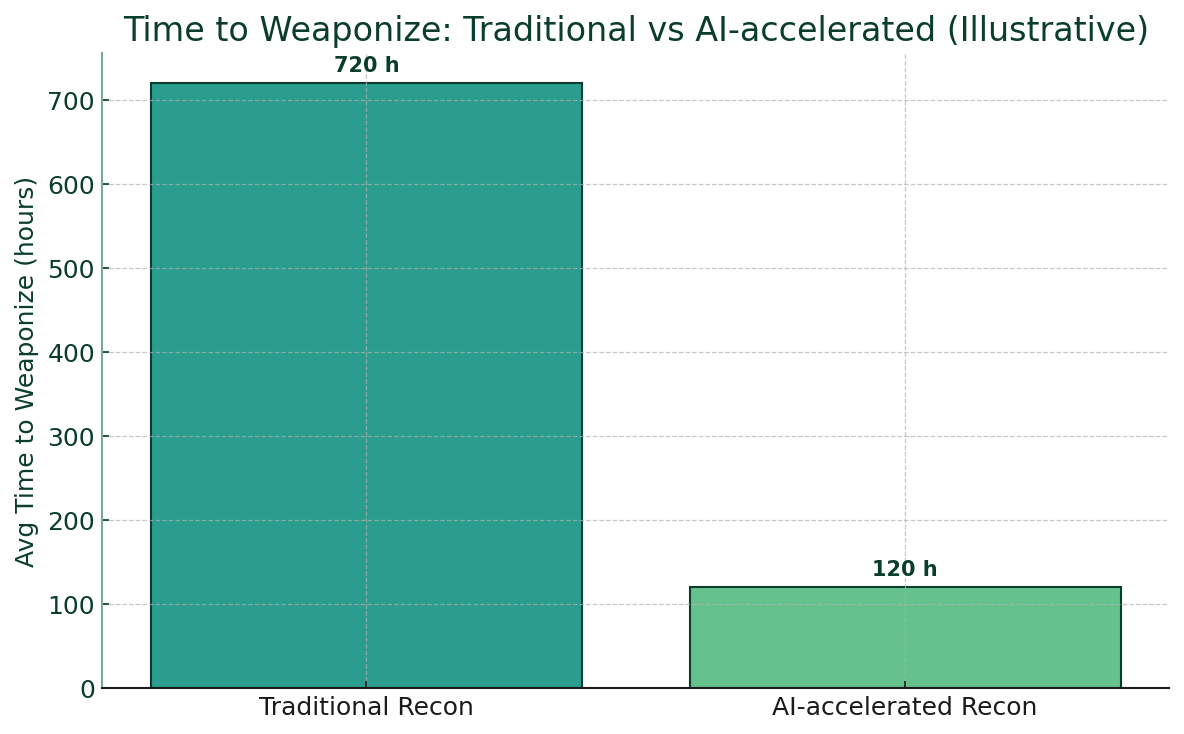

A sophisticated threat group is exploiting blockchain smart contracts to create nearly undetectable malware distribution systems, compromising thousands of WordPress websites in the process.
Read More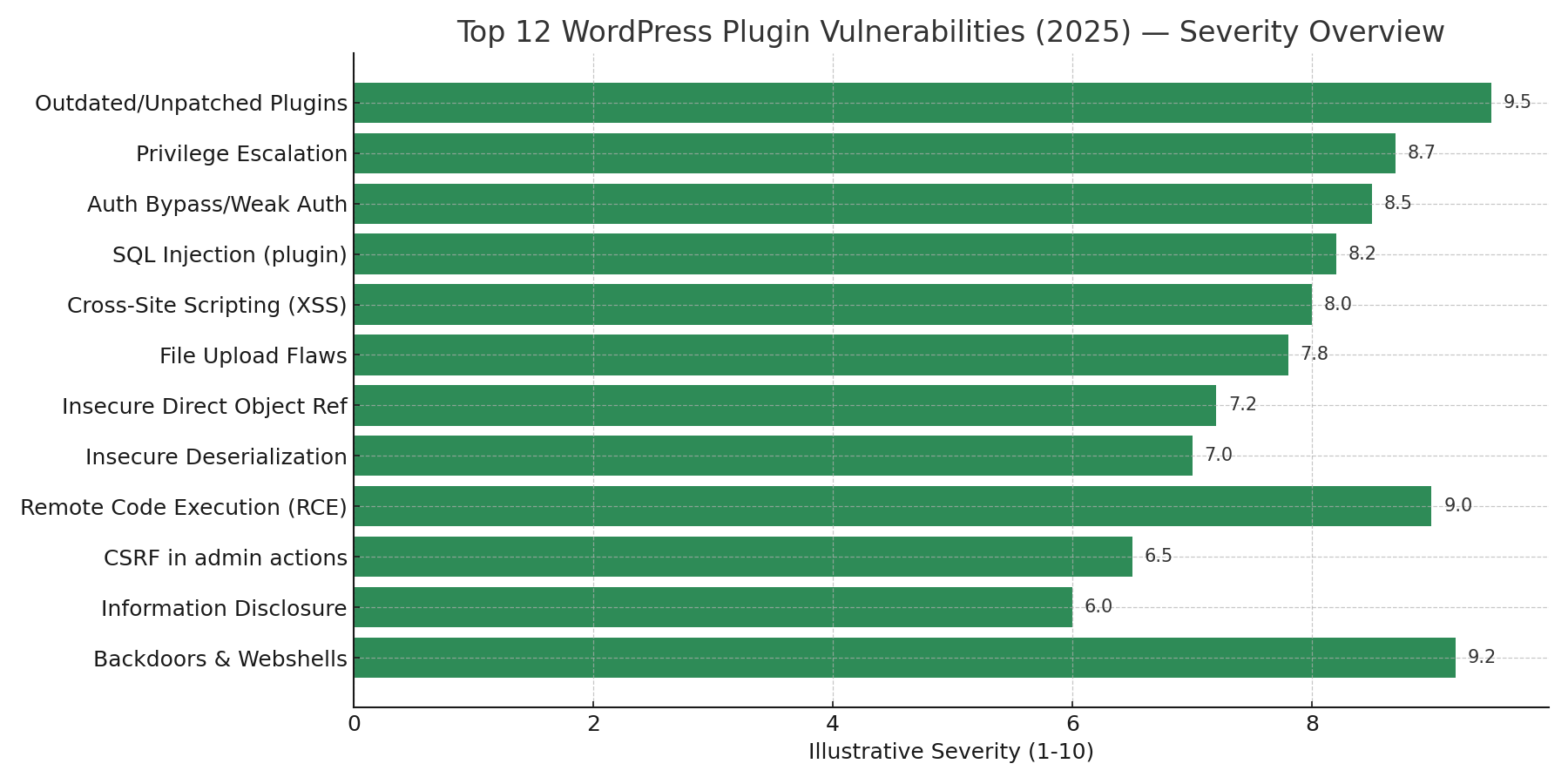
WordPress powers a huge share of the web, and plugins make it flexible — but plugins are also the most common source of site compromises. In 2025 attackers continue to target vulnerable plugins, using automation, supply-chain abuse, and legacy code mistakes to gain access. This guide inventories the Top 12 plugin vulnerabilities, explains how attackers exploit them, provides practical detection scripts and checks you can run today, and gives robust mitigation patterns: from vendor patches to virtual patching with a WAF.
Read More
The cybersecurity landscape in 2025 has become more complex than ever before. With cyber attacks growing in sophistication, frequency, and impact, businesses face a critical question: should they manage website security in-house or partner with a Cybersecurity-as-a-Service (CaaS) provider?
Read More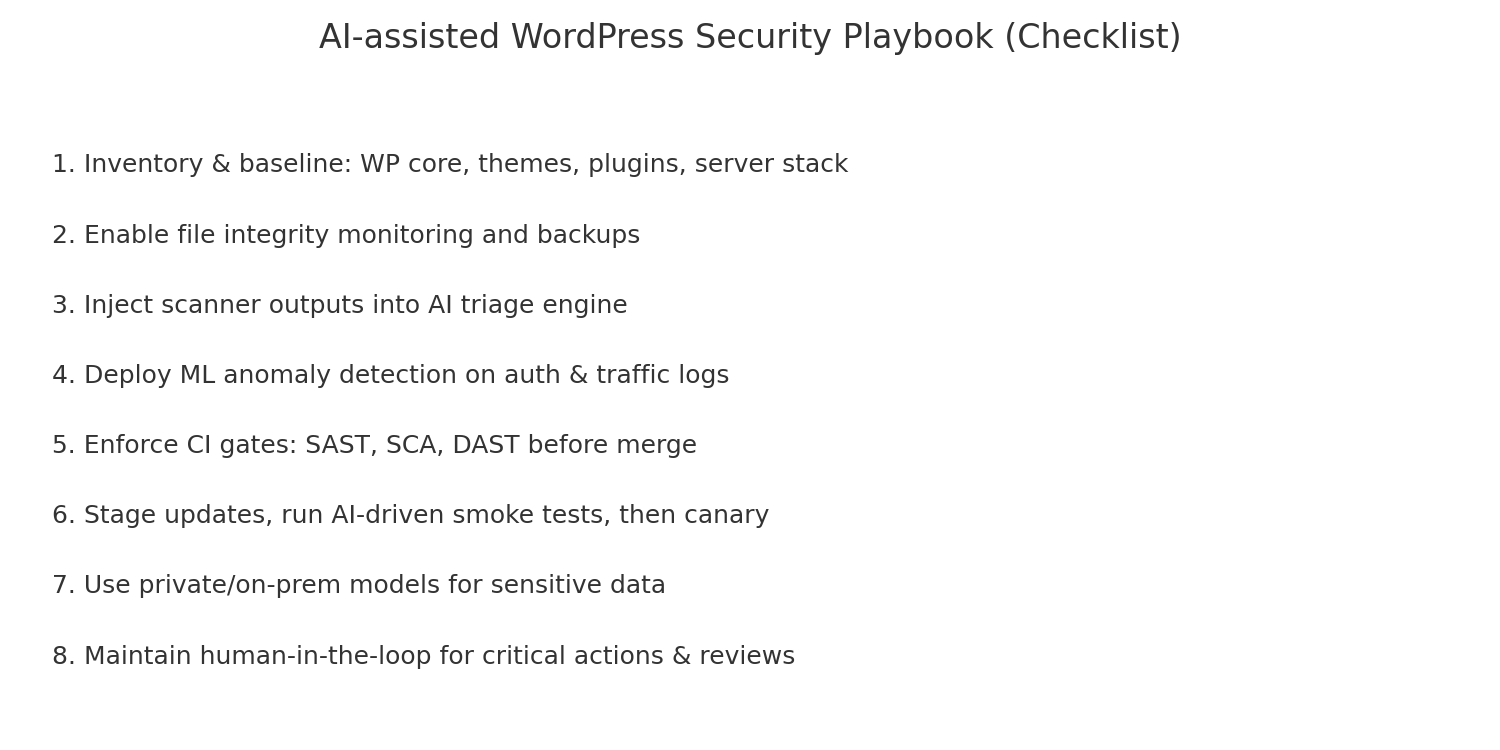
WordPress powers over 43% of all websites on the internet—that’s roughly 533 million sites. This massive popularity makes it the number one target for cybercriminals worldwide. If you’re running a WordPress site, you’re facing a harsh reality: your site faces approximately 30,000 hacking attempts every single day, with at least 13,000 of those specifically targeting WordPress installations.
Read More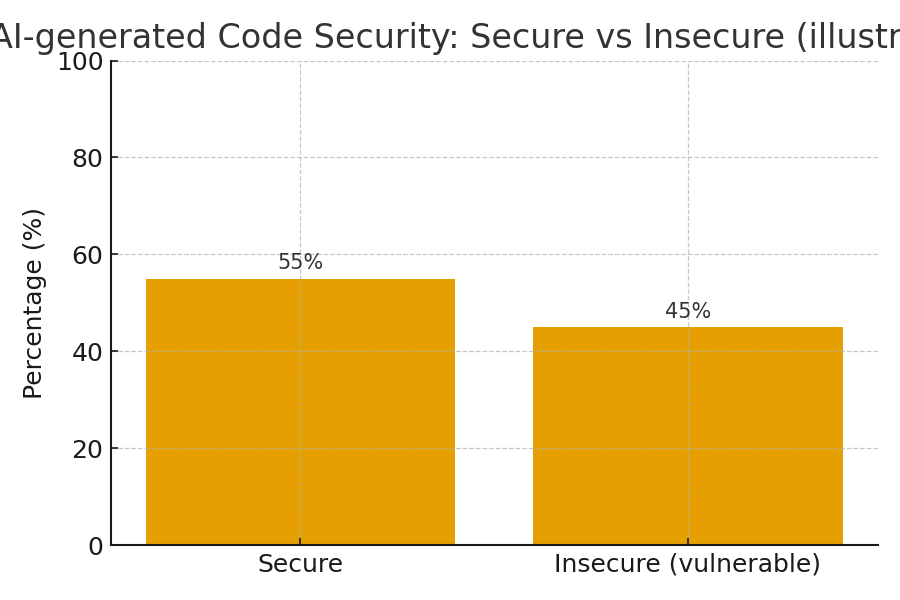
The software development landscape has undergone a seismic shift in 2025. Developers are increasingly adopting “vibe coding”—a revolutionary approach where you describe what you want in natural language, and AI tools like GitHub Copilot, Cursor, Claude, and ChatGPT generate fully functional code. It’s fast, intuitive, and remarkably effective. But beneath this appealing surface lurks a troubling question: Is vibe coding safe for web development?
Read More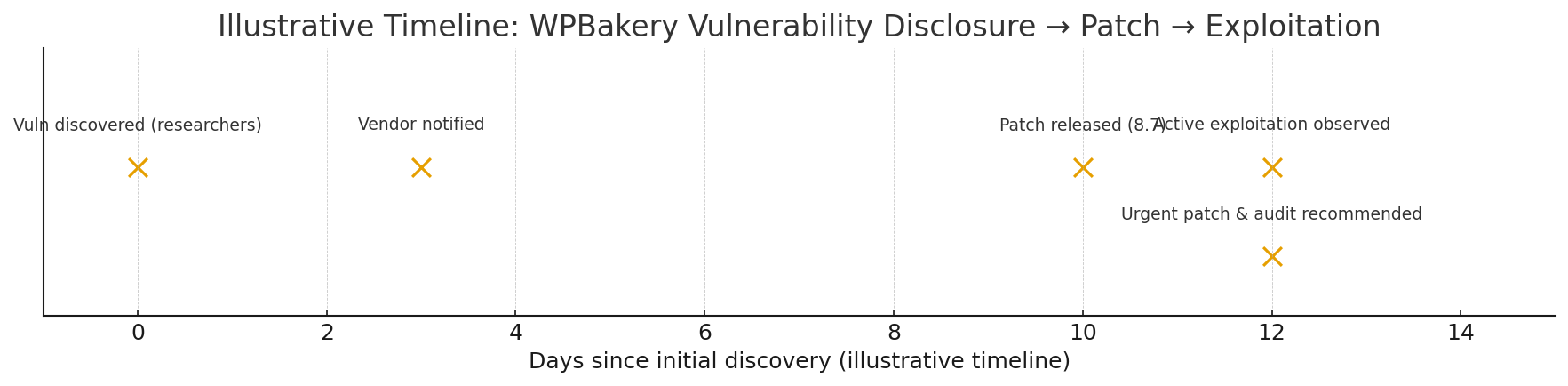
A stored cross-site scripting (XSS) flaw in WPBakery Page Builder’s Custom JS feature was disclosed; attackers with low-level authenticated access can persist JavaScript that executes when higher-privilege users view the page. Update WPBakery to the patched version immediately and follow the hardening steps below.
Read More
Attackers long ago learned that successful breaches begin long before the first exploit is launched. They start with reconnaissance: mapping login flows, reading JavaScript, parsing error messages, scanning APIs and public docs, and stitching together clues from repos, DNS, headers and telemetry. What’s new is not that reconnaissance happens — it’s that AI makes it far faster, deeper, and more context-aware, turning apparently trivial hints into precise, actionable plans.
Read More
Website hardening is the process of securing a website by reducing its attack surface and eliminating potential vulnerabilities that hackers could exploit. Think of it as fortifying a castle – you’re not just building walls, but also eliminating weak points, setting up defensive mechanisms, and establishing protocols to prevent unauthorized access.
Read More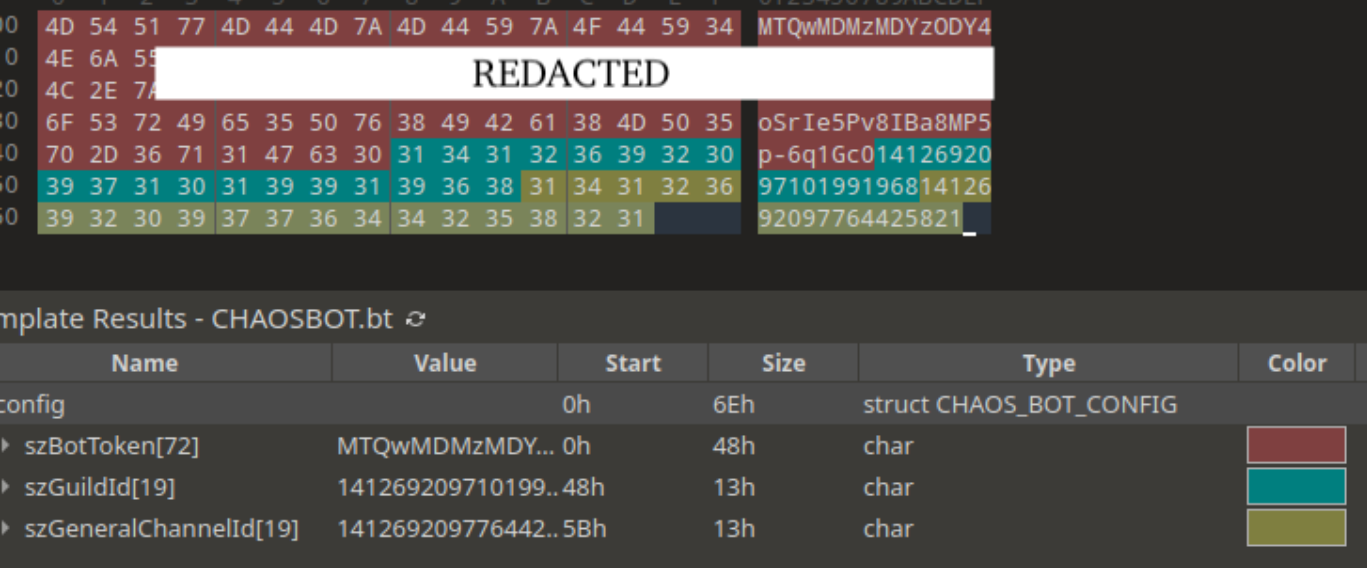
In late September 2025, cybersecurity researchers from eSentire’s Threat Response Unit (TRU) uncovered a sophisticated new malware strain that represents a concerning evolution in cyber threats. Dubbed “ChaosBot,” this Rust-based backdoor cleverly abuses Discord’s legitimate communication platform for command-and-control operations, making detection significantly more challenging for traditional security tools.
Read More
Website security has become a critical concern in today’s digital landscape. With cyber attacks becoming more sophisticated every day, traditional security measures are struggling to keep pace. Enter Artificial Intelligence (AI) – a game-changing technology that’s revolutionizing how we protect, detect, and remediate security threats on websites.
Read More