The GootLoader malware family has made a sharp comeback in late 2025 after a quiet spell. In its latest campaign, it’s using clever obfuscation techniques—and WordPress sites—to deliver malicious payloads with record speed.
Read More

The GootLoader malware family has made a sharp comeback in late 2025 after a quiet spell. In its latest campaign, it’s using clever obfuscation techniques—and WordPress sites—to deliver malicious payloads with record speed.
Read More
Traditional phishing attachments (macro-docs, PDFs) are losing traction. Attackers are pivoting to a lesser-suspected vector: SVG vector files, which look like harmless graphics yet contain interactive, script-enabled code. According to recent research by Hoxhunt, SVG attachments were nearly negligible in 2024 (~0.1 % of attacks) but ballooned to 4.9 % of phishing lures in just the first half of 2025 — and peaked near 15 % in March 2025.
Why does this matter? Because SVGs combine trust (image format) + capability (XML, scripting, external references) — making them ideal for stealthy, high-impact phishing.
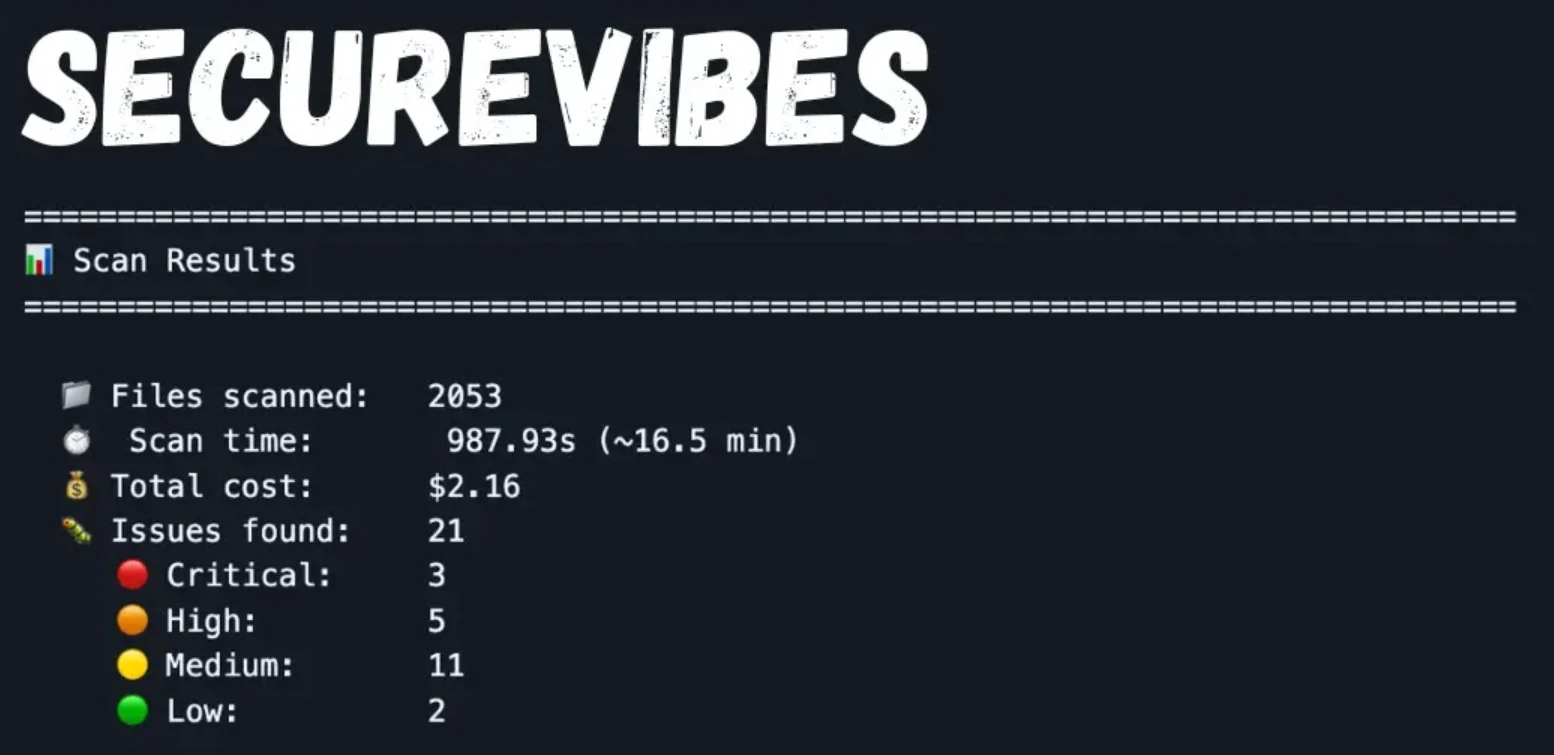
How five AI agents working together are changing the game for developers who code at the speed of thought
Read More
Imagine spending thousands of dollars on a state-of-the-art firewall to protect your network, only to discover it’s been guarding your digital fortress with the equivalent of a “password123” sticky note on the front door. That’s essentially what’s happening with a recently disclosed vulnerability affecting WatchGuard Firebox firewalls.
Read More
If you’ve ever wondered why your legitimate business website suddenly ranks for “online casino” or “slot games,” you’re not alone. Website owners worldwide are waking up to a disturbing reality: their digital properties have been quietly hijacked and transformed into spam-spreading machines, all while looking perfectly normal on the surface.
Read More
The landscape of web application security just got a major refresh. OWASP’s latest Top 10 list for 2025 introduces two new risk categories, reorders several long-standing threats, and signals a shift from “classic vulnerabilities” to systemic risk vectors.
Read More
The rapid adoption of AI agents is fundamentally changing web security paradigms, creating new vulnerabilities that malicious actors are actively exploiting. AI agents from major providers like OpenAI (ChatGPT), Anthropic (Claude), and Google (Gemini) now require elevated permissions to perform transactional operations, breaking the traditional cybersecurity assumption that “good bots only read, never write.” This shift has opened the door to sophisticated spoofing attacks that can bypass traditional bot detection systems.
Read More
Underground advertising reveals the tools threat actors use — and how defenders can respond.
Read More
A new generation of web browsers powered by artificial intelligence is quietly undermining publishers’ paywall protections. Tools such as Atlas from OpenAI and Comet from Perplexity are reportedly navigating around subscription barriers — not by brute-force hacking, but by behaving like ordinary human users. This stealthy capability is raising serious alarms across the media industry.
Read More
Your website is under attack right now. Here’s how hackers are getting in—and how to stop them.
Read More