WordPress Security in 2025 — Key Risks, Real-World Incidents and Practical Fixes

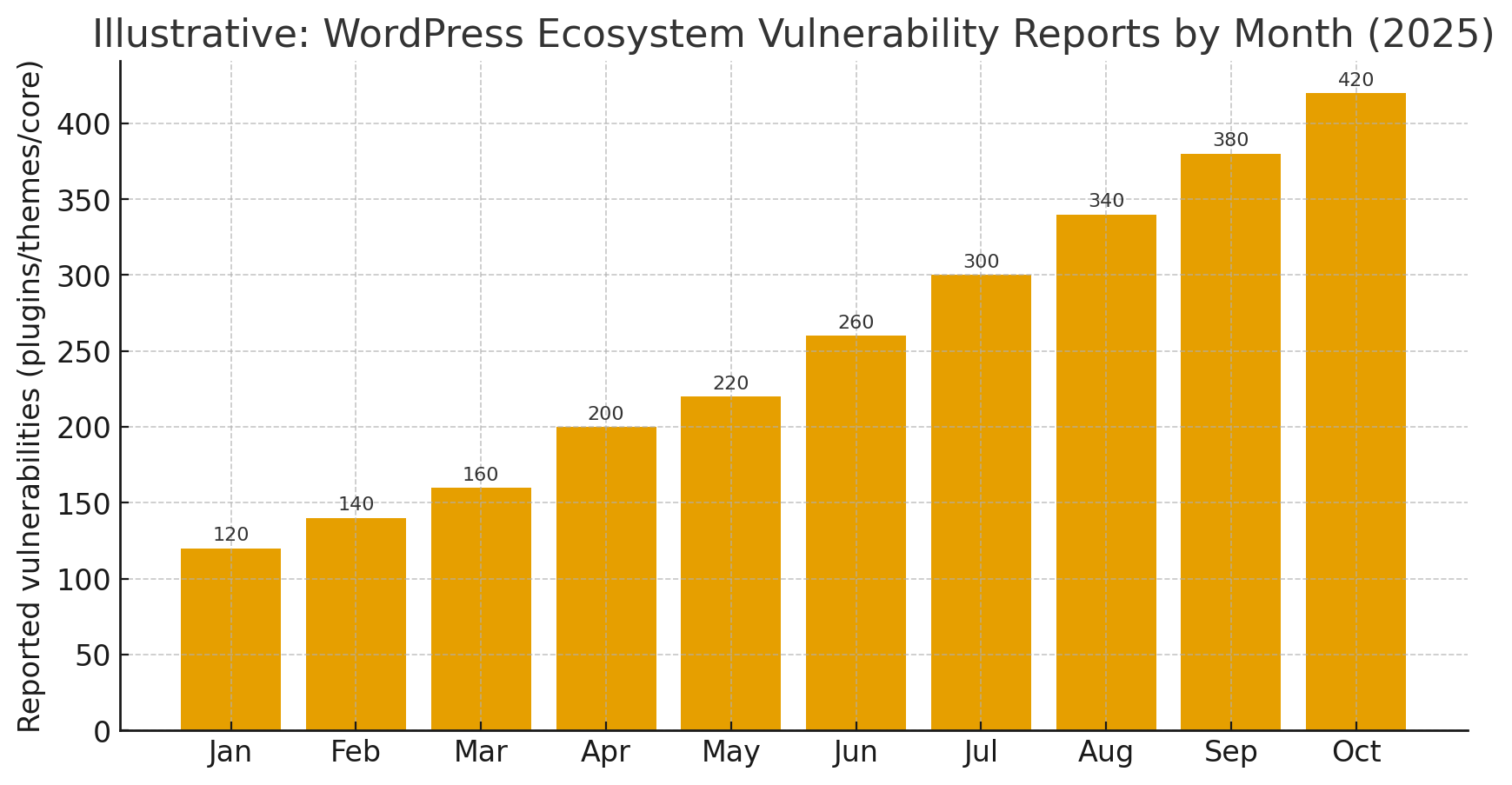
In 2025 the WordPress ecosystem continued to produce a large number of security disclosures, with third-party plugins and themes remaining the dominant source of high-impact vulnerabilities. Attackers quickly weaponized several unauthenticated remote code execution, arbitrary file upload and broken-access-control flaws, and exploit campaigns often began within days of disclosure. Industry mitigations such as virtual patching (WAF rules) and vendor “rapid mitigate” systems played a major role in reducing live exploitation while site owners applied official patches. If you manage WordPress sites, the priority remains the same: maintain an accurate inventory; patch high-risk components immediately; remove unused extensions; and combine short-term virtual patches with longer-term hardening and monitoring.

Read More

How Neural Networks Improve Real-Time Web-Attack Detection

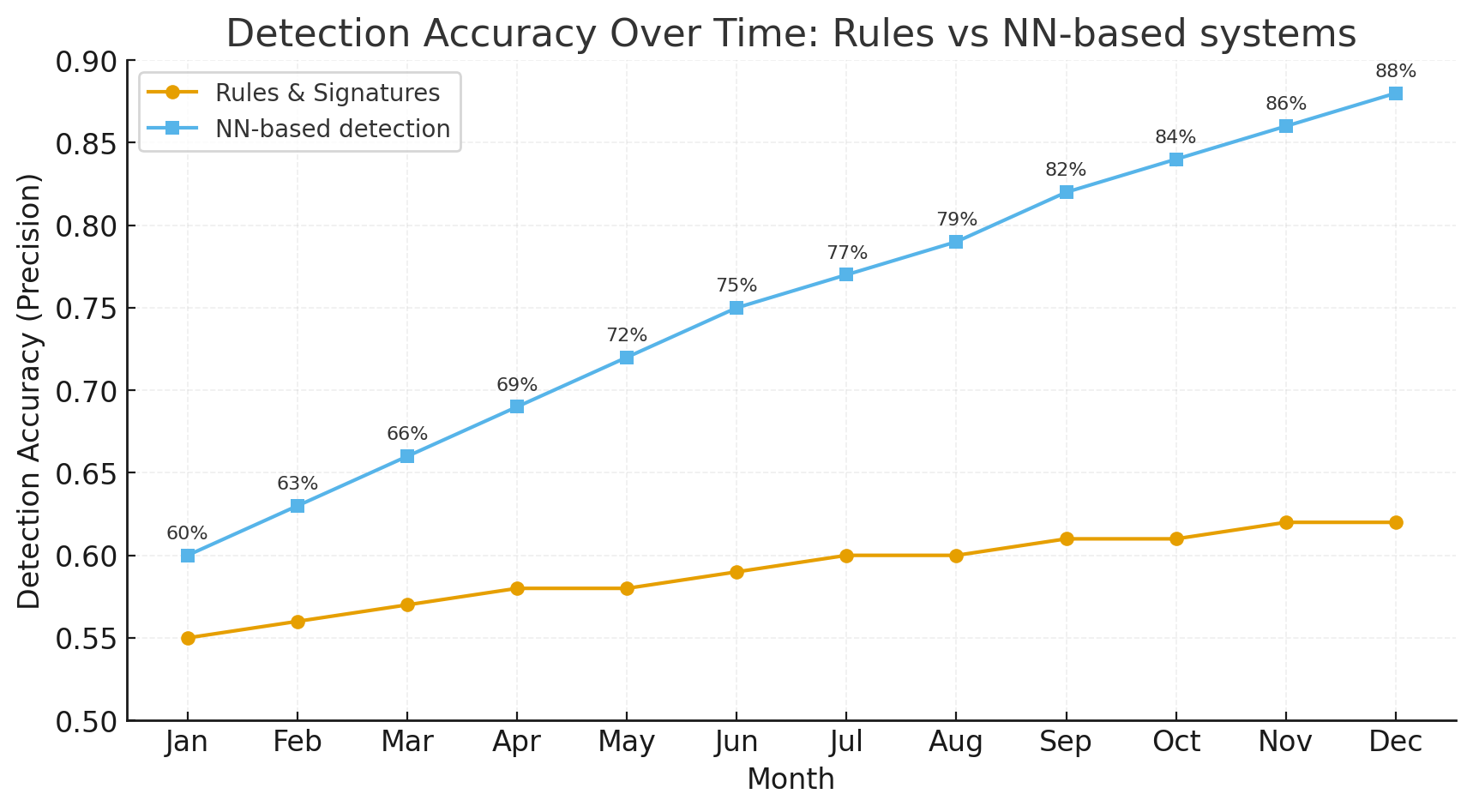
Web attacks remain the most common initial vector in modern incidents. Classic signature and rule-based defenses are necessary, but insufficient: they miss novel patterns, produce high noise, and struggle with complex, multi-step attacks. Neural networks — from autoencoders to graph neural networks and Transformers — bring a contextual, pattern-oriented layer that detects subtle anomalies across time, entities and relationships. When deployed thoughtfully (hybridized with rules, instrumented for explainability, and operated with retraining and feedback loops), NN-driven systems can significantly reduce mean time to detect (MTTD), lower analyst load, and cut false positives.

Read More